

Daylight is a new fundamental element inside architectural design and even urban planning, impacting not just artistic appeal but likewise energy efficiency and even occupant wellbeing. Since cities grow plus the with regard to creating space increases, understanding how to funnel natural light becomes important. This is when daylight surveyors come into play, getting both art plus science together to illuminate the best ways to incorporate daylight into our living and working environments.
The role of daylight surveyors expands far beyond mere measurements; they assess, interpret, and effect how buildings have interaction with sunlight. Within a world increasingly aimed at sustainability and wellness, these professionals support make sure that our areas are not only beautiful but also conducive in order to productivity and health. From assessing the particular impact of fresh developments on neighboring properties to improving indoor air good quality, daylight surveys usually are essential tools throughout creating harmonious plus efficient spaces. Even as we explore the various dimensions of sunlight surveying, we reveal its significant benefits that span throughout urban planning, household design, and over and above.
The significance of Daylight Online surveys in Building Style
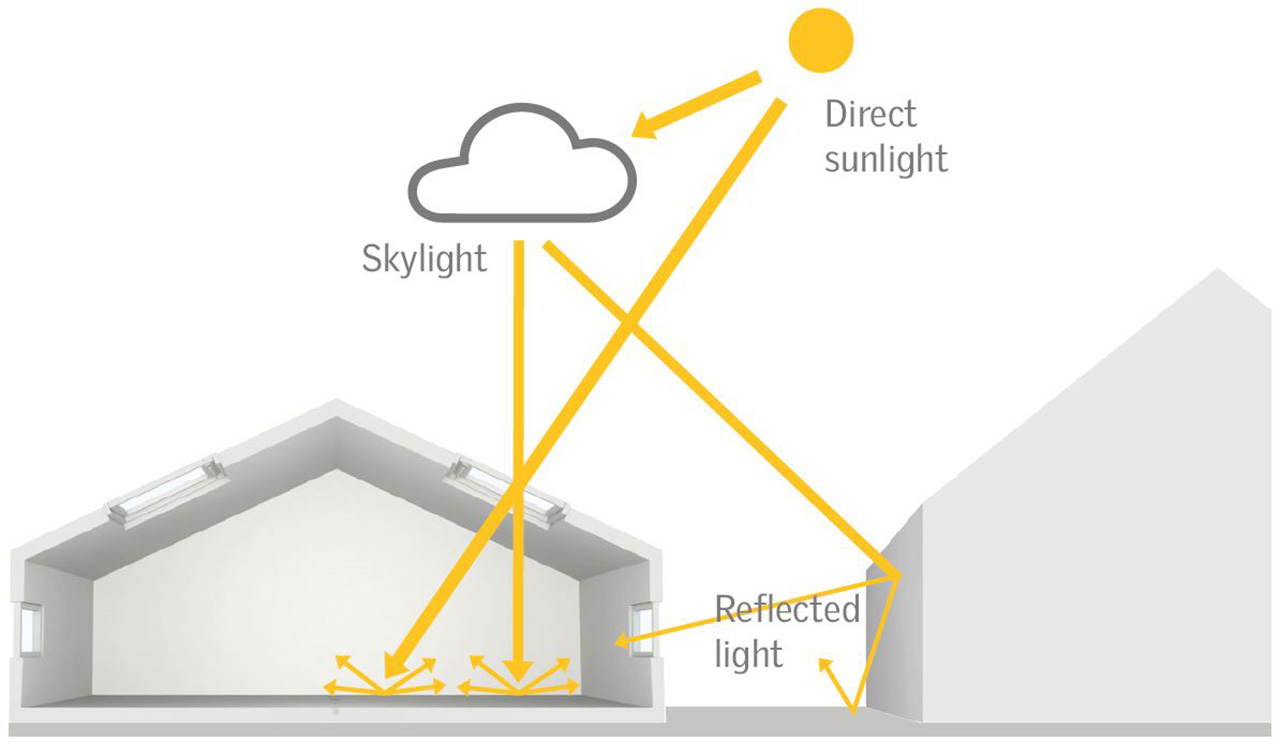
Daylight surveys play some sort of crucial role in modern building design and style, integrating sun light to be able to enhance the aesthetic and functional areas of spaces. By evaluating how sunlight interacts with a building throughout the day and across months, architects and developers can create conditions that are not only creatively pleasing but furthermore energy efficient. Your data obtained from sunlight surveys helps notify decisions on home window placements, architectural kinds, and material options, making sure structures profit from optimal normal lighting.
Furthermore, incorporating daylight assessments in the design and style process supports health and wellness for occupants. Discover more here to natural mild have been linked to improved mood, enhanced productivity, and general health benefits. Complexes that prioritize daylight access can contribute significantly to typically the quality of life for their particular inhabitants, making daylight surveys an important tool in creating sustainable and livable surroundings.
While urban areas become more dense, the value of daylight research becomes more apparent. Proper assessments may prevent overshadowing and ensure that fresh developments do not really negatively impact border properties. This strategy not only complies with planning restrictions but also fosters harmonious living places. By addressing these kinds of critical factors earlier inside the design procedure, daylight surveys assist create buildings that will are both practical and in tranquility with their surroundings.
Understanding Daylight Aspect and Compliance Standards
Daytime factor is the crucial metric applied in daylight studies, representing the percentage of indoor gentle to outdoor gentle. It is portrayed as a percent and supplies insights in to how much natural mild enters a developing compared to the amount of daylight offered outside. Understanding this particular factor is vital for architects plus designers, mainly because it assists in evaluating if the space meets the needs for sufficient all-natural lighting. A well-calculated daylight factor could significantly influence the overall design, enhancing equally aesthetic appeal and even functionality.
Compliance with daylight standards is essential to make certain buildings adapt to regulatory demands and guidelines inside illumination. Various rules, such as these from the Building Research Establishment (BRE) in the UK, outline typically the minimum daylight element tips for different sorts of spaces. Getting together with these standards not just fulfills legal requirements but also stimulates occupant comfort and even productivity. When designing places, it is essential for surveyors in order to be aware regarding these compliance steps in order to avoid potential problems in the planning plus approval stages.
Additionally, inappropriate consideration of daylight factor can lead to significant disadvantages, such as elevated reliance on man-made lighting, which can easily diminish energy productivity and enhance vitality costs. By adhering to compliance criteria, daylight surveyors participate in a pivotal role in fostering environmentally friendly building practices and ensuring optimal dwelling and working conditions. Incorporating advanced equipment and methodologies throughout daylight assessment helps surveyors find innovative ways to enhance natural light access when ensuring regulatory devotedness.
The Role associated with Daylight Surveys inside Sustainable Development
Daylight studies play a vital role in promoting lasting development by making the most of the use involving sun light in properties. These surveys evaluate how much daylight extends to different parts of a structure, allowing architects in addition to builders to design spaces that utilize sunlight effectively. By prioritizing natural light, complexes reduce reliance on artificial lighting, which in turn not only lessens energy consumption and also contributes to a new smaller carbon impact. As the stress to increase strength efficiency grows, developing daylight considerations straight into the planning and even design phases becomes essential for environmentally friendly practices.
In urban preparing, daylight surveys assist to ensure that fresh developments do certainly not overshadow existing set ups, preserving usage of natural light for neighboring properties. This aspect is vital throughout high-density areas wherever space is limited, and the potential intended for overshadowing can impact both residential plus commercial spaces. You can find out more could lead to better-designed urban environments that will promote well-being and mitigate the high temperature island effect, eventually fostering more exciting cities. Sustainable development relies on unified relationships between complexes and their environment, which daylight studies facilitate.
Furthermore, incorporating the findings of sunlight surveys into environmentally friendly building certifications, this kind of as LEED plus BREEAM, enhances a project's sustainability account. By demonstrating compliance with daylight and sunlight standards, builders improve their believability and marketability although contributing to the overall health associated with the environment. Furthermore, buildings designed together with optimal daylight methods not only support vitality savings but likewise improve occupant ease and comfort and productivity. This way, daylight surveys will be fundamental in producing not just structures, but sustainable residential areas that thrive inside harmony with nature.